

Needlestick and Sharps Injury Claims in Dublin
Needlestick and other sharps injuries require prompt medical assessment and appropriate workplace reporting.
EXCELLENT Based on 68 reviews
 Posted on Google
 Kostova SimonaHave been dealing with Dalippe over the years and he has been absolutely amazing! Cannot recommend enoughPosted on Google
 Agata ZbroszczykVery empathetic and kind solicitor.Posted on Google
 Natali VersianiIt took long (mainly due to PIAB) but it was worth it. In the end I got a good compensation for my injury. Especially towards the end I got a lot more contact with Dalippe and I got quick responses from him.Posted on Google
 Jamie-Anne WhaleyI would highly recommend Dalippe lalloo worked so hard on my case and kept me upto date all the time the service is amazing and receptionist are also very helpful it was a pleasure having him help me with my case all the best for the future and thankyou againPosted on Google
 Gina MI would highly recommend Dalippe Lalloo Solicitors for his exceptional service in handling my recent case. He always kept me informed throughout the entire process in my case and his attention to detail and dedication is excellent. If your looking for a solicitor who cares for their clients Dalippe Solicitors is the one to go to!Posted on Google
 Angela KeenanVery good to deal with would highly recommendPosted on Google
 Leanne CunninghamWould happily recommend to othersPosted on Google
 Laura ByrneI was really happy with the service provided by Dalippe and his team, he was extremely professional & informative throughout the process of my claim. Would highly recommend for any legal related issues.Posted on Google
 Aine KeeleyAmazing at his work. Thanks for all you have done for me Dalippe & team.
Needle stick injury
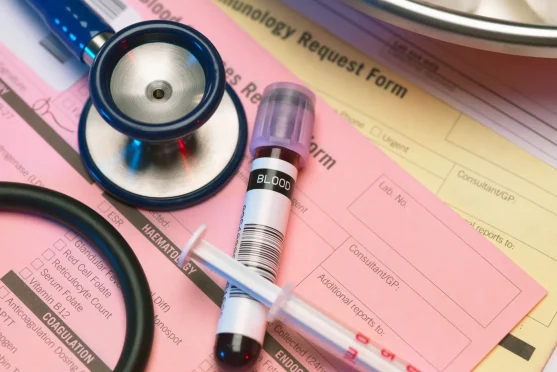
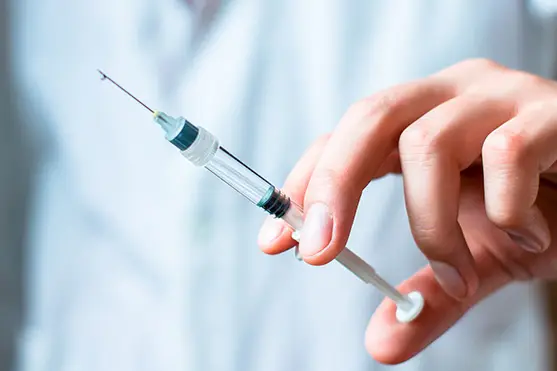
Needlestick and other sharps injuries may cause a small puncture wound, but they can also create concern about exposure to a blood-borne infection. The medical response and emotional effect depend on the circumstances of the exposure and the clinical follow-up required.
A needlestick injury occurs when a needle punctures the skin. A broader sharps injury may involve another sharp medical item or a contaminated sharp object. Healthcare workers may encounter these risks, but exposures can also occur in waste collection, cleaning, park maintenance, prisons, policing, tattooing and other work. The actual risk depends on the task and the controls in place.
Why do needle stick accidents occur?
Needlestick and sharps injuries can occur when used sharps are placed in ordinary waste, when a sharps container is unavailable, misused or overfilled, or while a sharp is being handled. In healthcare settings, used sharps should be placed promptly in an approved sharps container and should not be recapped, bent or broken.
Discarded sharps may also be encountered outside healthcare settings. Anyone who finds one should avoid handling it and follow the reporting and disposal procedure for the location.
What sort of injuries can be caused?
The puncture itself may be small, but a potentially contaminated sharp can create a risk of exposure to a blood-borne virus. The risk depends on matters such as the type of sharp, whether blood was present, the depth of the injury and, where known, information about the source.
A clinician can assess whether testing, vaccination, post-exposure prophylaxis or follow-up is appropriate. The timing and type of any tests should be determined by the treating clinician rather than by a fixed timetable on this page.
Uncertainty during medical follow-up can cause worry or distress. Any physical or psychological injury relied on in a claim must be supported by appropriate medical evidence and linked to the incident.
What to do after a needlestick or sharps injury
Wash the area immediately with soap and water. If the incident happened at work, report it promptly to the appropriate manager and follow the workplace post-exposure procedure. Obtain prompt medical or occupational-health advice so that the exposure can be assessed and any time-sensitive treatment considered.
Keep a record of when and where the incident occurred, the object involved, the first aid and medical advice received, the people notified and any available witness or incident-report details.
What steps should be taken to prevent injury?
Prevention should begin with a workplace risk assessment. Depending on the setting, controls may include safety-engineered devices, accessible and correctly used sharps containers, avoiding recapping, bending or breaking needles, task-specific training, suitable protective equipment, incident reporting and a documented post-exposure procedure. The measures required depend on the work and the risks identified.
Needle stick injury claims
A workplace needlestick injury does not automatically establish a claim. The circumstances, duty of care, alleged breach, causation and medical evidence must be considered. Relevant material may include an incident report, photographs, witness details, training and disposal records, risk assessments and the treating clinician’s records.
The evidence should distinguish between the puncture wound, any diagnosed infection or other physical consequence, and any supported psychological injury. Records of treatment, counselling, absence from work and reasonable out-of-pocket loss may be relevant, but recoverability depends on causation and the facts of the case.
For information about evidence and procedure following an incident at work, see our workplace accident claims page.
Personal injury claims must generally first be submitted to the Injuries Resolution Board unless the matter has already been resolved directly with the other party or insurer. The application ordinarily includes details of the accident and a medical report from a treating doctor.
Strict time limits apply. In many adult personal injury claims, the general limitation period is two years from the date on which the cause of action accrued or the date of knowledge, if later. The calculation may be affected by an Injuries Resolution Board application and other exceptions, so case-specific advice should be obtained without delay.
Our personal injury claims process page provides further general information, and the personal injury evidence guide gives a broader preservation checklist. You can also contact Lalloo Solicitors.
Legal costs and funding
Legal costs and outlays depend on the work and evidence required. Read legal costs in personal injury claims and No Win No Fee Explained. Any funding arrangement must be considered for the individual case and confirmed in writing.